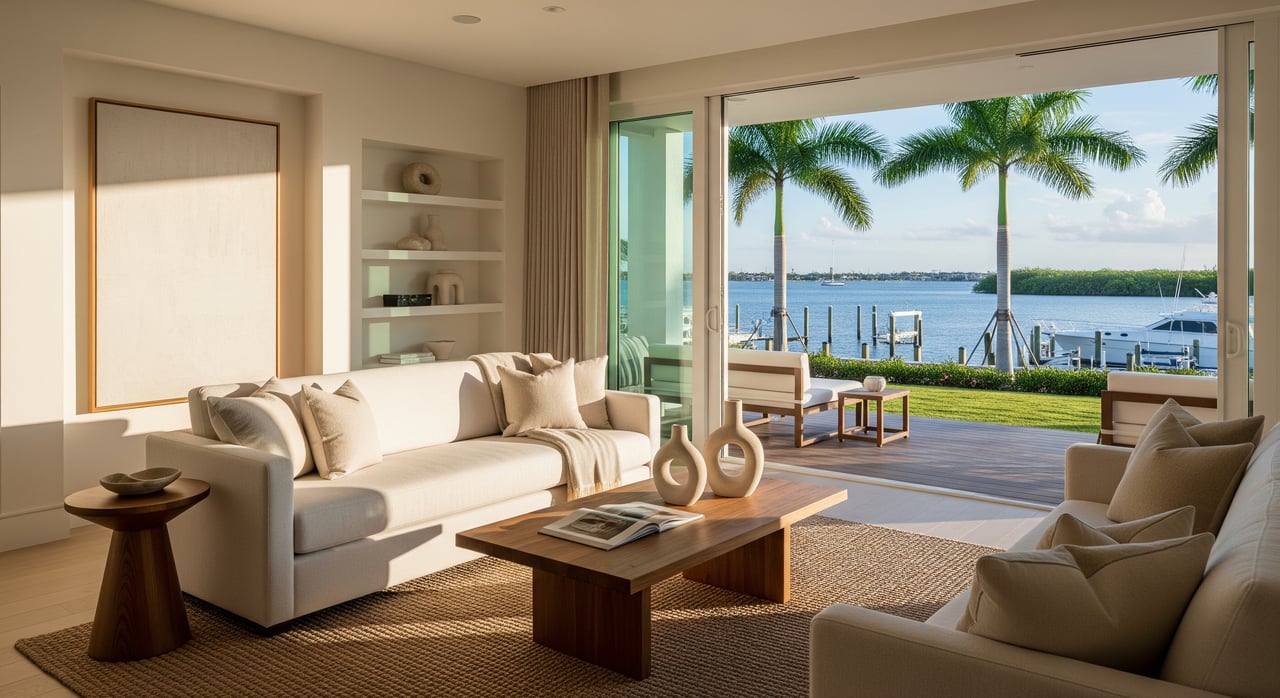
Are you getting ready to list a Davis Islands property and want every detail to shine online and in person? You know high‑end buyers expect more than nice furniture. They want a lifestyle, with water views, seamless entertaining, and a sense of ease and privacy. In this guide, you’ll learn how to stage for what matters most on Davis Islands: sightlines, art and scale, indoor‑outdoor flow, and a twilight presentation that elevates your marketing. Let’s dive in.
Why staging matters on Davis Islands
Luxury buyers on Davis Islands prioritize water and skyline views, privacy, and turnkey presentation. They respond to homes that feel curated and effortless. Staging that highlights view corridors, integrates technology cleanly, and showcases outdoor living helps your property stand out in photos, video, and private showings.
Your first impression often happens online. Strong stills, drone, and twilight media depend on clear sightlines and layered lighting. The right staging plan supports both in‑person showings and high‑production media that drive qualified inquiries.
Manage sightlines to the water
Create an entry‑to‑view axis
Lead a buyer’s eye from the front door to the water. Align the foyer and great room so the view window or door becomes the focal point. Keep tall pieces off the main path and select art that does not compete with the horizon.
Use low‑profile luxury pieces
Choose sofas and media units with lower backs and slender silhouettes. This protects the view while keeping proper scale. Anchor groupings with a coffee table and area rug so the room feels complete without blocking sightlines.
Keep windows light and operable
Use minimal, motorized sheers or recessed tracks where possible. Retract shades fully for photos and showings. Avoid heavy drapery on primary view walls so the bay and skyline remain the star.
Edit surfaces and orient seating
Clear clutter from consoles and coffee tables. Orient seating in a semicircle toward the water to create a natural conversation zone. Align rugs and furniture with window frames to subtly point attention outside.
For condos: extend living to the balcony
Treat terraces as livable rooms. Keep glass railings clean and free of visual clutter. Stage a compact conversation set that reads as an extension of the great room without crowding the space.
Curate art and scale with intent
Right‑size every room
Scale art and furnishings to ceiling height and room volume. Oversized walls can accept a single large piece or a tight, well‑spaced grouping. Smaller rooms benefit from graceful, right‑sized pieces that leave breathing room.
Color, texture, and restraint
Build from a neutral base, then layer accent colors that echo the outdoors. Think soft blues, water tones, and sky neutrals. Keep a cohesive palette throughout and limit focal pieces to a few curated selections.
Lighting for impact
Use adjustable picture lights or discreet track to highlight key art. Accent lighting creates depth for twilight photos and adds warmth during evening showings. Aim fixtures to avoid glare on glass and water‑facing windows.
Paperwork and protection
If you stage with valuable art, maintain provenance and loan documentation. Consider short‑term transport insurance. Keep inventories and condition reports organized and secure.
Showcase indoor‑outdoor flow
Unify palettes and materials
Carry interior tones outside using marine‑grade fabrics, teak and stone looks, and outdoor rugs. A consistent material story makes terraces and docks feel like true extensions of your living spaces.
Arrange livable outdoor rooms
Create conversation clusters that frame the view. Use modular pieces to adapt for different showings. Add subtle lifestyle cues like a bar cart or beautifully set dining table without making spaces feel personal.
Control sun and comfort
Suggest comfortable daytime use with discreet umbrellas, retractable screens, or awnings where appropriate. Keep these elements simple so they do not distract from views or architecture.
Dock presentation and safety
Neat lines and organized equipment read as intentional, not cluttered. If you have a tender or boat, present it as an accessory to the lifestyle. Confirm safety, insurance coverage, and any marina or HOA rules before staging near the water.
Materials that stand up to salt air
Select marine‑grade fabrics and rust‑resistant hardware to maintain a crisp look through showings. Replace or remove any outdoor pieces that show corrosion or fading.
Landscaping to frame the view
Keep hedges trimmed, mulch fresh, and hardscape clean. Showcase pool and spa lighting for twilight media. The goal is a manicured frame that guides the eye back to the bay.
Win the twilight moment
Time photography for golden and blue hour
Schedule professional photos at or just after sunset. Warm interior light against a twilight sky sets an emotional tone that performs well online. If night shoots are not feasible, discuss professional virtual twilight, but prioritize authentic twilight whenever possible.
Build layered lighting scenes
Create scenes that combine ambient, task, and accent light. Turn on lamps for depth, under‑cabinet lights for warmth, and art or cove lighting for sophistication. Outside, use path lights, subtle landscape uplights, and pool or dock lighting to define spaces and ensure safe movement.
Drone and boat footage
Aerial images communicate island context and water proximity. Low‑angle video from the water highlights access and dock utility. Ensure flight and filming comply with local rules and respect neighbor privacy.
Avoid overprocessing
Authentic images build trust. Keep editing natural, with true color skies and realistic interior tones. Overly enhanced visuals can disappoint buyers in person.
Evening showing checklist
- Shades retracted and view windows spotless
- All lighting scenes on, fireplaces lit if available
- Exterior path, pool, and dock lights on
- Thermostats set for comfort and doors ready to open for flow
Plan, privacy, and protection
Timeline and scope
Expect a structured process: consultation and design plan, selection and delivery of furniture and art, installation and media, final touchups, and de‑staging after contract. Build in lead time for custom pieces or art loans. A typical runway is 1 to 4 weeks depending on scope.
Security and confidentiality
Use vetted staging partners with on‑site supervision, background‑checked crews, and insured transport. Confidentiality agreements are common for UHNW sellers. Maintain detailed inventories for high‑value items.
Insurance and liability
Confirm that both the staging firm and seller have appropriate coverage. For docks, pools, and boats, review marine‑exposure clauses and define safety protocols. Keep gates secured and showings chaperoned near water as needed.
HOA, historic, and permitting
Verify HOA rules before adding exterior planters, signage, or temporary structures. If the property falls within a historic area or has architectural review, avoid permanent changes without approval. When in doubt, check with local authorities first.
Weather readiness
Plan for Tampa Bay’s storm cycles. Use tie‑downs where appropriate and remove outdoor staging ahead of severe weather. When possible, schedule major installs and photography outside peak hurricane season.
Room‑by‑room and exterior checklists
Pre‑staging audit
- Map primary and secondary view axes from entry, main living, primary suite, and outdoor areas
- Identify obstructions like oversized furnishings, overgrown landscaping, or visible equipment
- Confirm electrical for lighting scenes and any AV needs
- Check dock safety and any staging permissions
Interior priorities
- Entry and foyer: clear path to the view, a single console, and one signature art piece that does not overpower
- Great room: low‑back seating grouped toward the water, layered lighting, neutral upholstery, minimal visible electronics
- Dining: staged table that suggests entertaining scale, sideboard with curated objects, views unobstructed
- Kitchen: declutter surfaces, display a few high‑end small appliances, consider a bar cart or wine vignette near the flow to outdoor spaces
- Primary suite: bed positioned for private views when possible, luxury linens, small seating area angled toward the windows
- Guest and bonus rooms: stage to defined uses, such as office, nursery, or gym, to avoid ambiguous spaces
- Bathrooms: spa cues like rolled towels and sleek accessories, spotless glass, and open sight to any windows
Exterior priorities
- Main terrace or balcony: conversation grouping, outdoor rug, marine‑grade fabrics, slim planters that do not block the horizon
- Pool and patio: daybed or lounges, al fresco dining set, pool and spa lights ready for evening media
- Dock: tidy lines and equipment, either a staged tender or a clean slip to show capacity, safe rails and surfaces
- Landscaping: trimmed hedges, fresh mulch, clean hardscape, and invisible irrigation
Media checklist
- Golden and blue hour interior and exterior photos
- Drone or overhead shots for island context
- Short boat‑level video to showcase water access
- Walkthrough video emphasizing the path from entry to the view
- 3D tour optimized for 360 capture with no harsh reflections
Showing day checklist
- Window shades fully retracted on view walls
- Lighting scenes on and consistent across spaces
- Surfaces pristine, no personal photos or identifiers
- Temperature set for comfort and doors easily operable for flow
- Art inventories and any paperwork secured but accessible off‑camera
Putting it all together
When you optimize sightlines, curate art and scale, connect indoor and outdoor rooms, and plan for twilight, you speak directly to how Davis Islands buyers want to live. You also position your property to perform in high‑end media, which can shorten time on market and strengthen negotiation.
If you want a discreet, turnkey plan that blends staging and high‑production marketing, connect with Jennifer Zales. Her boutique practice leverages professional photography, drone, property microsites, editorial placement, and private outreach to qualified buyers in sports, entertainment, and global luxury channels. Ready to elevate your listing? Partner with Jennifer Zales.
FAQs
What staging moves most improve a Davis Islands waterfront listing?
- Clear view corridors, low‑profile seating, unified indoor‑outdoor palettes, and twilight lighting scenes have the biggest impact on buyer emotion and media performance.
How should I handle staging during hurricane season in Tampa?
- Use marine‑grade materials, secure or remove outdoor items before storms, and plan major installs and photography outside peak season when possible.
What are best practices for staging valuable art?
- Keep provenance and loan documents, consider transport insurance, use adjustable lighting, and maintain detailed inventories with secure storage between showings.
Can I stage a condo balcony under HOA rules on Davis Islands?
- Yes, but confirm size, materials, and any visibility restrictions with the HOA in advance, and keep furnishings scaled and unobtrusive to protect views and compliance.
When should I schedule photos and launch the listing?
- Aim for golden or blue hour for primary imagery, complete video and aerials in the same window, and launch when you have a cohesive media set that showcases the water and evening ambiance.