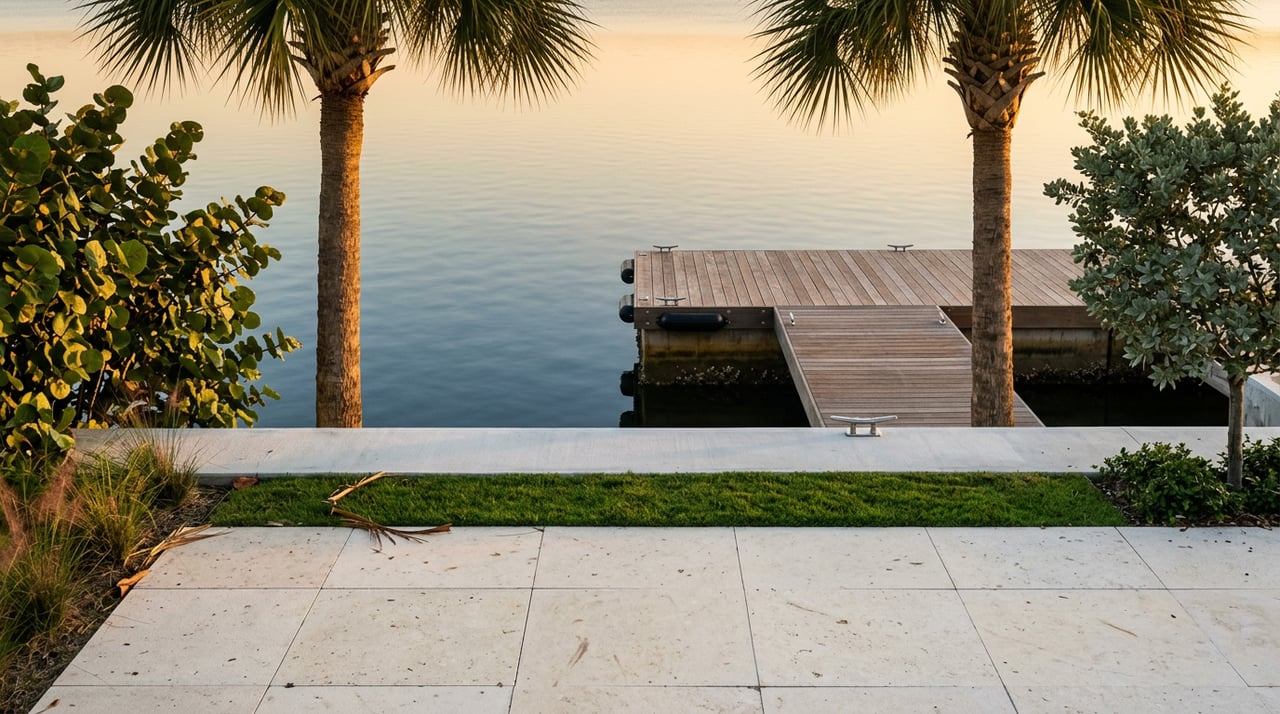
You do not buy a waterfront lot on Davis Islands by accident. You do it to design a one‑of‑a‑kind home that frames the water, fits your lifestyle, and stands the test of time. The path is rewarding, but the best outcomes come from smart due diligence and clear planning from day one. In this guide, you will learn how to evaluate lots, understand permits and timelines, inspect seawalls and docks, and plan foundations and flood strategy before you write an offer. Let’s dive in.
Why Davis Islands stands out
Davis Islands is a manmade archipelago just south of Downtown Tampa with a yacht‑club vibe, walkable village, and a mix of historic and modern estates. Waterfront parcels are limited and command premiums. The City’s neighborhood page offers helpful context on history and amenities if you are new to the area, including the island village, parks, and marinas. Explore the official overview on the City’s Davis Islands page at the City of Tampa website.
Choose your waterfront: canal vs open bay
Not all water exposure is the same. Your lot’s orientation will shape design, protection, and long‑term maintenance.
- Interior canal lots. Calmer water and more protected mooring. You may inherit an existing vertical bulkhead, which can simplify certain repairs. Depth and turning radius for your vessel matter more here.
- Open bay lots. Wide views and premium frontage with more exposure to wind and wave action. Expect higher structural and maintenance standards, careful seawall design, and stronger attention to elevation and breakaway elements.
Either way, confirm geometry, setbacks, and buildable area before you plan massing or pool placement.
Permits and who regulates what
Waterfront projects on Davis Islands often involve parallel agency reviews. Plan ahead and coordinate drawings across submittals.
- City of Tampa. Local building permits, zoning, floodplain administration, and height/setbacks. The Land Development Code sets standards for single‑family districts that shape your buildable envelope. You can review the RS district tables in the City’s code to see examples of setbacks and typical height limits at the City of Tampa eLaws site.
- Port Tampa Bay. Marine construction permits for structures at or over tidal waters, including docks, lifts, and seawalls. The Port’s environmental and permitting guidance outlines submittal steps and submerged‑lands considerations at the Port Tampa Bay Environmental page.
- Florida DEP. Environmental Resource Permits and State 404 coordination cover fill, coastal work, and activities over sovereignty submerged lands. Learn how the State 404 program integrates with ERP review at the Florida DEP site.
- U.S. Army Corps of Engineers. Federal review under Sections 10 and 404. Many single‑family docks qualify under programmatic general permits, but new seawalls, dredging, or habitat impacts may require individual permits. See the Jacksonville District’s State Programmatic General Permit background at the USACE SPGP page.
- Hillsborough County EPC. Local environmental protections and wetlands oversight apply in coordination with the agencies above.
Plan for 3 to 12 months or more for combined approvals depending on scope. Coordinating submittals can shorten calendar time when you align drawings and surveys early.
Zoning, setbacks, and buildable envelope
Your architect will translate zoning into massing and siting. On Davis Islands, single‑family parcels commonly fall under RS districts. The code tables show examples like front yard and side yard requirements and typical maximum heights. You can confirm district standards directly in the City’s Land Development Code at the City of Tampa eLaws site.
Also ask your agent and architect to verify whether the lot is within a Coastal High Hazard or other overlay that may affect density and review steps. Early clarity here prevents redesign and delays.
Seawalls, docks, depth: what to inspect
Seawalls and docks are critical assets on a waterfront lot. Their condition and permit history can swing budgets by six or seven figures.
- Check permit history. Ask the seller for all marine permits, as‑builts, and contractor records, then confirm with the City and Port. Unpermitted work can trigger enforcement or require after‑the‑fact permits.
- Inspect the seawall. Look for leaning or bulging, cracking, spalled concrete, exposed rebar, settlement behind the wall, drainage issues, and tie‑back corrosion. A local marine structural engineer should evaluate and document replacement needs. For a practical checklist of what to look for, see this practitioner guide on seawall and dock basics at KVA Group.
- Inspect the dock and boat lift. Review piling integrity, electrical safety, and the depth at mean low water at the dock face. Confirm navigation and turning space for your intended vessel.
- Understand material choices. Concrete, steel, vinyl sheet pile, timber, and riprap behave differently in Tampa Bay exposure. Life cycle and costs vary by site, access, and design.
Florida policy favors nature‑based shoreline solutions in many settings and limits new vertical seawalls except where necessary, such as ports or existing manmade canals. This preference can influence permit outcomes. Read the statutory framework in Chapter 373 at the Florida Senate site.
Riparian lines and the mean high‑water line
In Florida, the upland boundary often extends to the mean high‑water line, with sovereignty submerged lands seaward of that point. Docks and structures that extend waterward typically need state authorization and Port review. A current boundary survey should show the mean high‑water line, any recorded bulkhead line, and easements that may affect siting and view corridors.
Elevation, foundations, and fill in coastal zones
If your lot lies in a V or VE flood zone, expect coastal design rules to shape your architecture and budget. FEMA guidance requires open, elevated foundations, with the bottom of the lowest horizontal structural member at or above the Design Flood Elevation. Enclosures below the elevated floor must be open or designed to break away, and mechanical systems need elevation or floodproofing. Review the coastal construction standards summarized by FEMA at FEMA’s Coastal Construction guidance.
Structural fill is often restricted in VE zones, especially for support of structures. Where fill is needed for grading, additional permits and mitigation may apply. Your engineer and builder should align pile design, floor elevations, and site grading with local code and floodplain requirements from the start.
Insurance and long‑term resilience
Confirm your flood zone and Base Flood Elevation through FEMA FIRM maps and request any existing Elevation Certificate from the seller. The City of Tampa participates in the National Flood Insurance Program and maintains elevation certificate records, which can help with underwriting. You can find floodplain resources and contacts at the City’s Stormwater and Flood Information page.
For long‑range planning, consider sea‑level rise and storm surge over the service life of the house and marine structures. Regional resources outline how to factor future conditions into design choices and siting. Start with the University of Florida’s overview on sea‑level rise planning at the UF IFAS EDIS publication.
Your core team for a bespoke build
A successful Davis Islands custom home is a team sport. Engage specialists before you write an offer so you can price the path to yes.
- Coastal or marine structural engineer for seawall and dock design and inspection.
- Geotechnical engineer for soil borings, pile design, and scour analysis.
- Architect with Florida coastal code expertise and luxury estate experience.
- Custom builder experienced with City of Tampa permitting and waterfront logistics.
- Permit expediter or environmental consultant to coordinate Port, DEP, USACE, and EPC filings.
- Licensed surveyor to confirm the mean high‑water line, easements, and legal description. A real estate attorney can advise on riparian and title matters.
Due diligence timeline and contingencies
Tackle the essentials early. The right contingencies protect your optionality and keep leverage on your side.
Pre‑offer
- Request complete permit history for seawall, dock, and lifts. Confirm with City and Port Tampa Bay records and ask for as‑builts. The Port’s environmental permitting page explains the typical process at the Port Tampa Bay Environmental page.
- Pull current flood zone data, effective FIRM panel, and any Elevation Certificate. The City’s flood resources page provides contacts and guidance at the City’s flood information page.
- Order a current survey showing the mean high‑water line and easements.
- Get a preliminary marine engineer or contractor walk of the seawall and dock, plus a measured low‑tide depth at the face of the dock. For a field checklist, refer to the KVA Group guide at KVA Group.
Offer stage
- Add a marine structural inspection contingency for the seawall and dock.
- Include a permit history review contingency to confirm that after‑the‑fact permits are not required, or are attainable on acceptable terms.
- Include a cost estimate contingency tied to seawall or dock replacement if inspections reveal issues.
Post‑contract
- Commission geotechnical borings, a marine structural engineering report, and a development program that identifies all required permits with a milestone schedule.
- Prepare coordinated submittals to the City, Port, State, and USACE to run reviews in parallel where possible. Many single‑family docks proceed under programmatic permits, outlined by the USACE Jacksonville District at the USACE SPGP page.
Timelines and what drives cost
- Timeframes. Initial due diligence and inspections often take 2 to 6 weeks. Coordinated permitting can run 3 to 12 months or more depending on scope and habitat impacts. Marine construction typically takes weeks to months, driven by access, barge scheduling, and permit conditions.
- Cost drivers. Seawall length and material, mitigation needs, dredge and disposal logistics, pile depths, and house foundation type influence budgets. On the upland side, island access, staging limits, and premium finishes also add complexity. Obtain multiple local bids and a marine structural engineer’s opinion of probable cost for any shoreline work.
Common pitfalls to avoid
- No verifiable permit history for the seawall or dock.
- Shallow water at mean low tide that limits your intended vessel.
- Hidden easements or rights‑of‑way that reduce usable upland or affect view planning.
- VE zone constraints that restrict fill and increase elevation and foundation costs.
- Nearby shoreline or dredging projects that change currents or accelerate erosion.
A clear path from lot to landmark home
Buying a Davis Islands waterfront lot for a custom build is a strategic move, not a guess. When you pair a high‑caliber lot with the right team, a documented permit path, and a coastal‑smart design, you set the stage for a residence that is beautiful, durable, and simple to maintain. If you want guidance on short‑listing lots, structuring offer contingencies, and coordinating the right experts, connect with Jennifer Zales for a private consultation.
FAQs
How long do Davis Islands waterfront permits usually take?
- Plan for 3 to 12 months for combined reviews by the City, Port Tampa Bay, Florida DEP, and the USACE. Simple repairs under general permits can be faster, while new seawalls or dredging can take longer.
Who issues permits for docks and seawalls on Davis Islands?
- The City of Tampa handles building and flood reviews, Port Tampa Bay issues marine permits for structures over tidal waters, Florida DEP coordinates ERPs and State 404 authorizations, and the USACE reviews under federal Sections 10 and 404.
What should I look for in a seawall inspection before I buy?
- Look for lean or bulge, cracking or spalling, exposed rebar, settlement behind the wall, and corroded tie‑backs, then confirm with a marine structural engineer. A practical buyer checklist is available in the KVA Group guide.
Are new vertical seawalls allowed on open bay frontage?
- Florida policy discourages new vertical seawalls in many coastal settings and favors living shoreline solutions, except where walls are necessary. This preference can shape permit outcomes and design options.
How do V or VE flood zones affect my custom home design?
- In coastal high‑hazard zones, FEMA guidance requires open elevated foundations, with the lowest structural member at or above the Design Flood Elevation and breakaway or open areas below. Mechanical systems must be elevated or protected.
Can I rely on fill to raise my lot in a VE zone?
- Structural fill is often restricted in VE zones. Your engineer and builder should plan piles, finished floor elevations, and grading to meet local and federal coastal requirements without relying on prohibited structural fill.